
What Cannes Lions 2026 Confirmed About the Future of Media
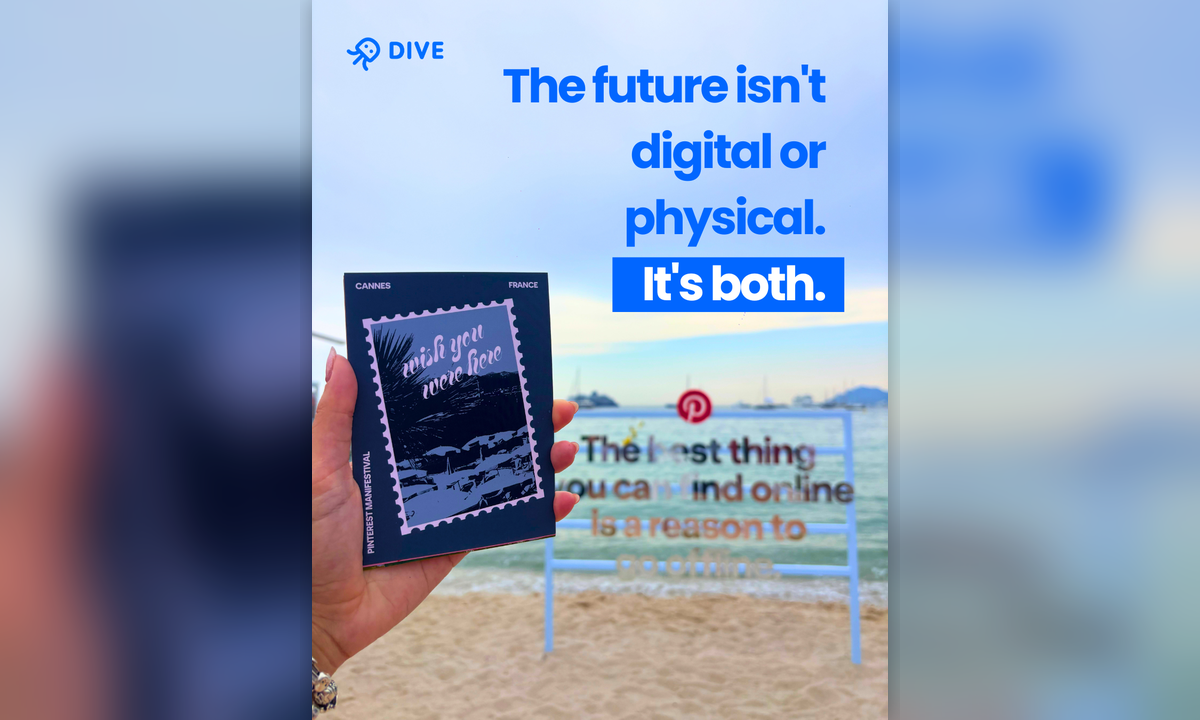
Every June, the global marketing industry gathers in Cannes to celebrate creativity, debate what's next, and take the pulse of an industry that's constantly evolving.
This year, however, something felt different.
The conversations weren't centered on predictions. They were centered on validation. Ideas that have been gradually reshaping marketing over the past several years arrived at Cannes fully realized. They weren't emerging trends anymore, they had become accepted realities.
Walking the Croisette, attending sessions, and meeting with brands, platforms, agencies, and creators from around the world, five themes surfaced again and again.
1. Creator Content Has Become the Starting Point
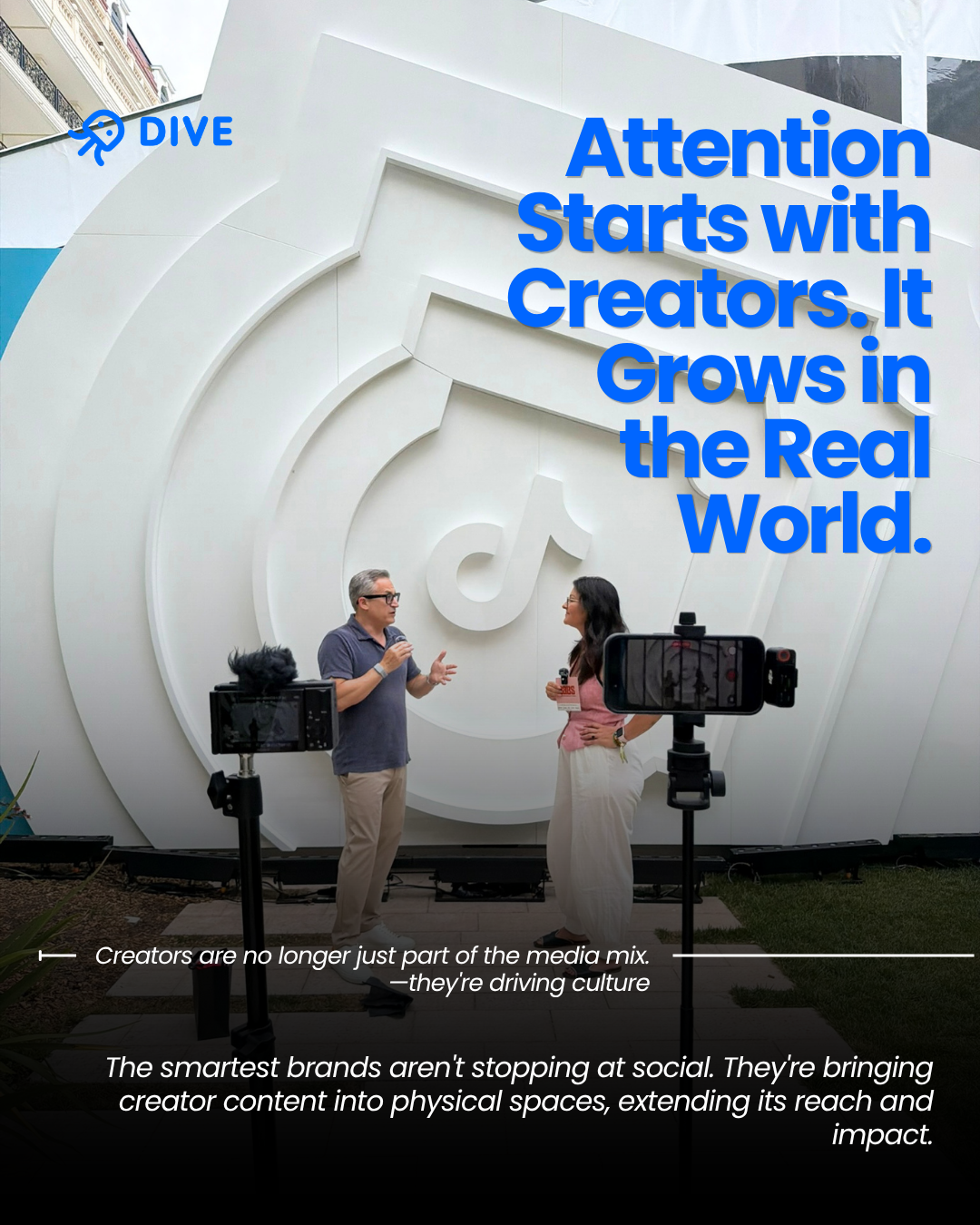
For years, brands asked how creators fit into their media strategy.
Today, that question has largely disappeared.
Creator content has become the creative engine behind modern marketing. It influences product discovery, shapes purchasing decisions, builds communities, and increasingly serves as the content brands want to amplify across every channel.
With hundreds of creators attending Cannes this year, not simply as influencers, but as business leaders, founders, speakers, and collaborators, it became clear that the creator economy has matured. It's no longer an emerging discipline. It's part of the foundation of modern advertising.
The opportunity now isn't simply creating more creator content.
It's extending the life of that content far beyond the platform where it originated.
2. Physical Experiences Are Becoming More Valuable
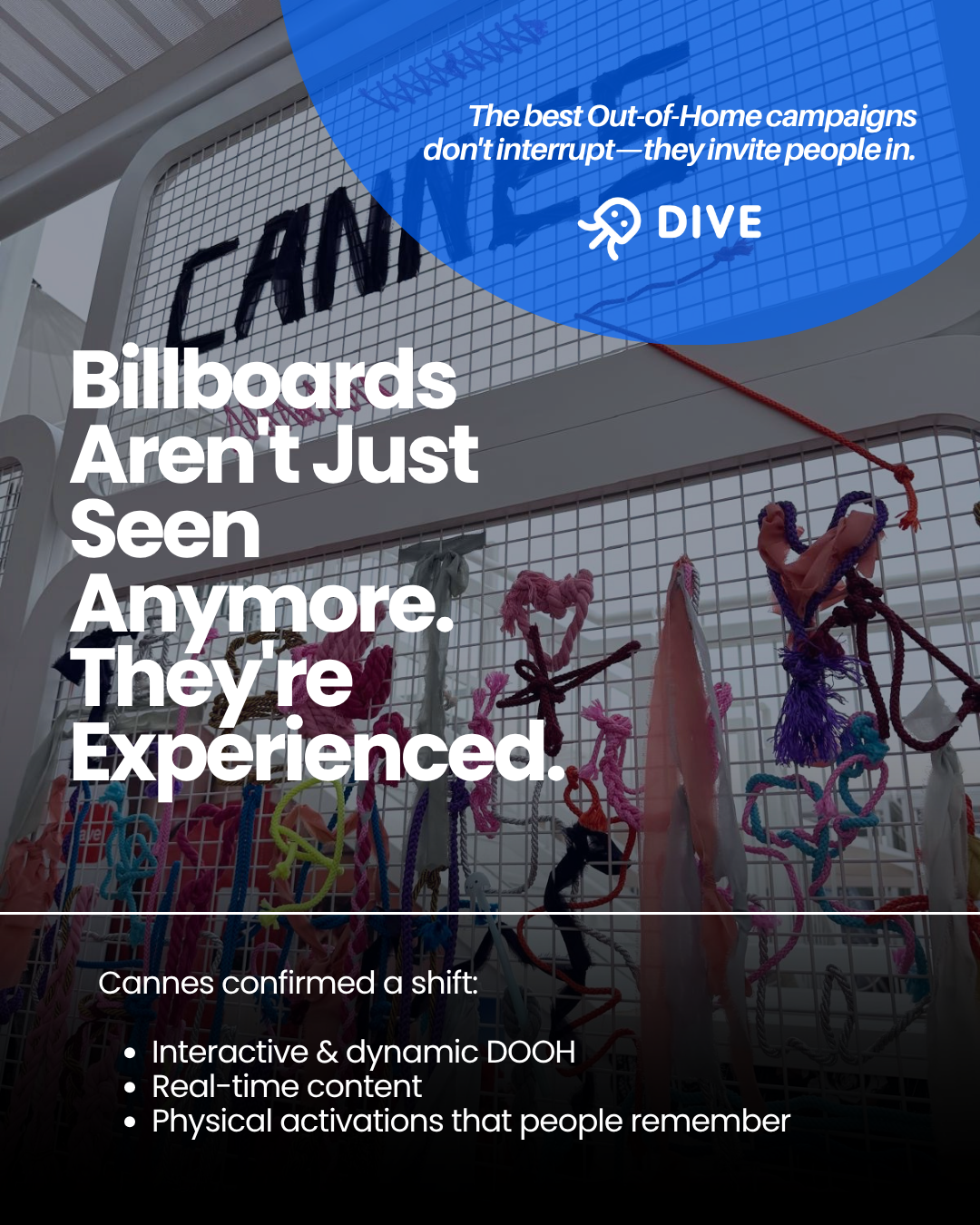
Despite being one of the world's largest celebrations of digital media, Cannes was filled with remarkably tangible experiences.
Brands handed out beautifully designed journals, postcards, books, artwork, printed keepsakes, and interactive installations. Spaces invited people to slow down, participate, and experience something memorable rather than simply consume another screen.
That wasn't accidental.
As digital environments become increasingly saturated, physical experiences carry more significance. They create presence. They invite participation. They become memories instead of impressions.
The most effective brands aren't choosing between digital and physical.
They're designing experiences where each strengthens the other.
3. Out-of-Home Is Becoming an Interactive Medium
The work recognized throughout Cannes reinforced a broader evolution taking place across out-of-home advertising.
Large-format media is no longer defined purely by reach or location. Increasingly, it's dynamic, contextual, responsive, and connected to digital behavior.
Whether through live data, creator integrations, user-generated content, or interactive experiences, physical media is evolving into an active participant in campaigns rather than simply a destination for creative assets.
The city itself is becoming part of the storytelling.
For brands investing heavily in social content, this creates an exciting opportunity: bringing the authenticity and relevance of creator content into environments where audiences are highly engaged and impossible to scroll past.
4. AI Is Raising the Bar for Human Creativity
One of the biggest shifts from last year's festival was the tone surrounding artificial intelligence.
The conversation has moved beyond curiosity and concern toward practical application.
Most marketers now accept that AI will dramatically improve efficiency across planning, production, and optimization. The more interesting discussion has become where human creativity remains irreplaceable.
When technology makes execution easier, differentiation comes from judgment.
Knowing what story deserves to be told.
Choosing the right creator.
Understanding culture.
Recognizing the emotional moments that audiences actually care about.
As AI becomes more accessible, original thinking becomes even more valuable.
5. The Future Belongs to Connected Media Ecosystems
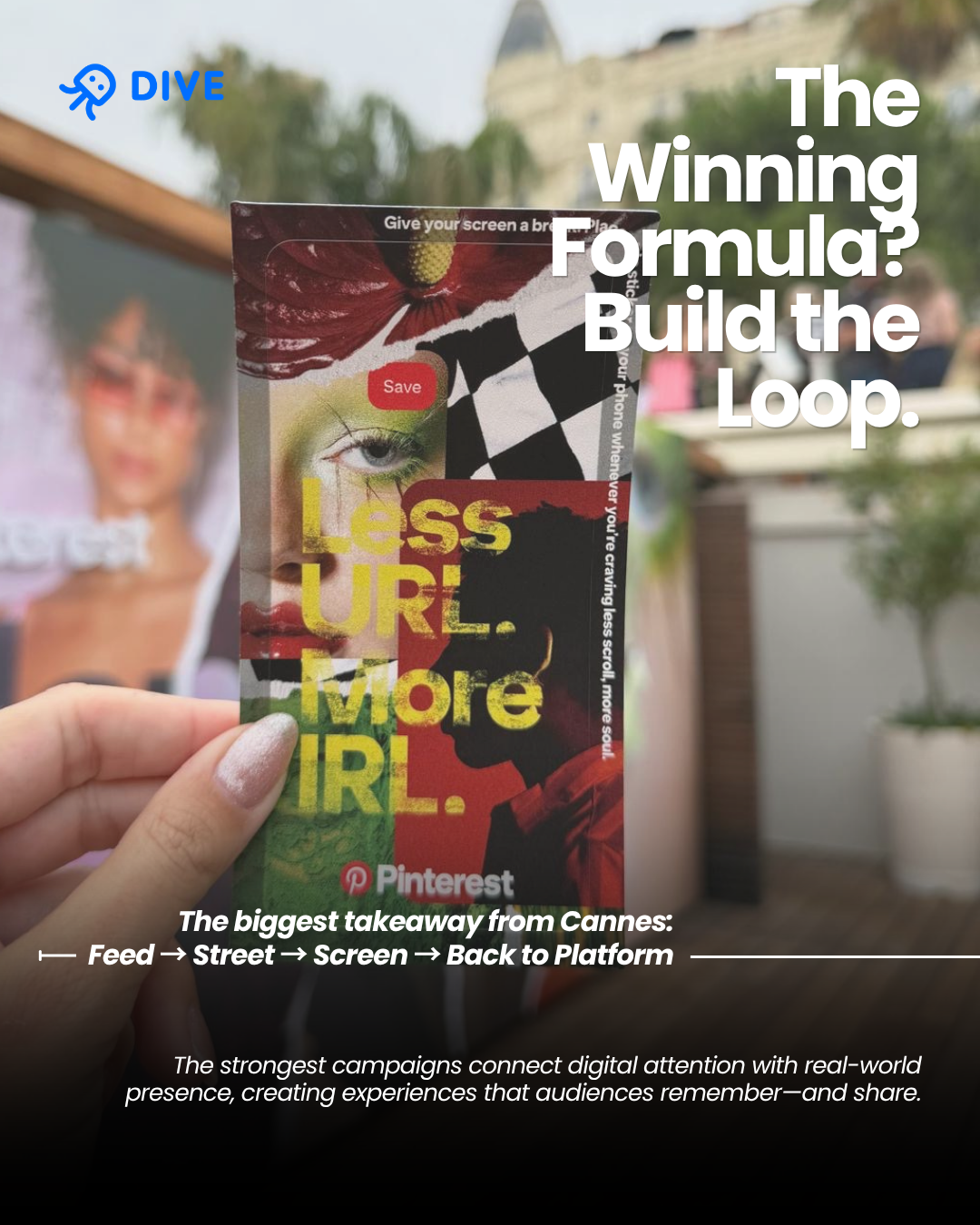
Perhaps the strongest takeaway from Cannes wasn't about any individual channel.
It was about how channels increasingly work together.
The most compelling conversations weren't focused on social, retail, experiential, connected TV, or out-of-home in isolation. They centered on how each touchpoint contributes to a continuous consumer journey.
Content begins on platforms where culture moves fastest.
The strongest moments earn a larger stage in the physical world.
Those physical moments generate conversation, sharing, earned media, and new social engagement.
The result is a continuous cycle where digital fuels physical, physical fuels digital, and every touchpoint reinforces the next.
Rather than thinking in terms of campaigns across separate channels, leading brands are beginning to think in terms of connected ecosystems.
Looking Ahead
If there was one thing Cannes Lions 2026 made unmistakably clear, it's that the boundaries between digital and physical media continue to dissolve.
Creators are no longer producing content solely for feeds.
Brands are no longer thinking in channels.
Digital out-of-home is becoming more dynamic, more measurable, and more integrated into the broader media ecosystem.
And physical experiences are proving to be more valuable than ever in a world increasingly dominated by screens.
For us at DIVE, these were powerful confirmation of the direction the industry is heading.
The future isn't digital or physical.
It's both, working together as one continuous experience.
Because the most impactful moments don't stop when someone puts their phone away.
They continue into the physical world, and often find their way back again.
